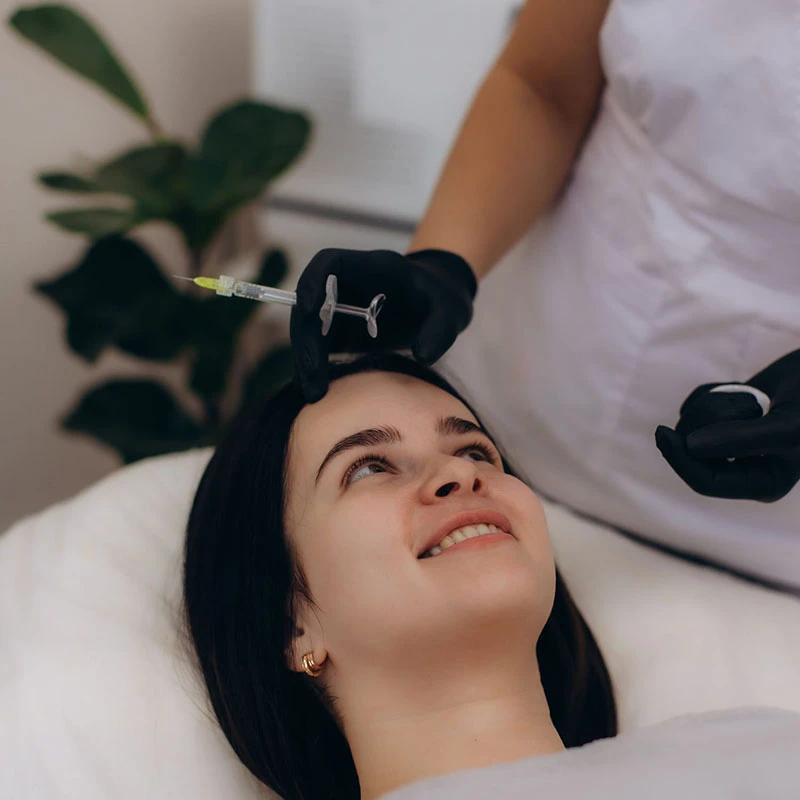

Peptides for Sexual Wellness

A Personalized Approach to Sexual Wellness

Low desire, changes in arousal, or difficulty with sexual function can affect confidence, intimacy, and relationships. Because these concerns may involve hormones, medications, stress, menopause, physical health, or relationship factors, identifying the underlying cause is an important first step.

Depending on the cause, some peptides for sexual wellness may be considered for pathways related to sexual desire or reproductive hormone signaling. Their roles and supporting evidence differ between women and men.

Sikora Integrative Medicine provides personalized peptide therapy based on each patient’s symptoms, health needs, and sexual wellness concerns. Care may address desire, arousal, or reproductive health within a medically supervised plan.

Personalized peptide therapy for sexual wellness

How Peptides May Support Sexual Wellness

Different peptides relate to specific aspects of sexual and reproductive health:

  • Sexual desire: May support interest in sexual activity when persistent low desire is the primary concern
  • Arousal and response: May influence pathways involved in physical arousal or erectile response
  • Sexual satisfaction: May support desire and responses that contribute to a more satisfying experience
  • Reproductive signaling: Certain peptides affect hormone pathways involved in ovulation, testosterone production, and fertility

Benefits vary by compound, diagnosis, and patient. Peptides for libido do not address every cause of sexual dysfunction, and some applications remain investigational.

Peptides Connected With Sexual and Reproductive Health

The peptide list includes options connected with sexual and reproductive wellness. These peptides may relate to desire, arousal, or reproductive hormone signaling, but their uses and supporting evidence differ.

Bremelanotide (PT-141)

Bremelanotide for sexual wellness is associated with sexual desire and response. The FDA-approved injection, Vyleesi, is indicated for certain premenopausal women with acquired, generalized hypoactive sexual desire disorder, or HSDD.

Vyleesi is not approved for postmenopausal women, men, erectile dysfunction, or performance enhancement. Prescribing Vyleesi outside its approved indication would be off-label. Its approval does not apply to compounded PT-141 preparations.

Kisspeptin-10

Kisspeptin-10 regulates the reproductive hormone axis and can stimulate luteinizing hormone and follicle-stimulating hormone. These effects influence ovarian and testicular function, giving it a reproductive and hormonal role rather than an established use for low libido or erectile dysfunction.

Where Peptide Therapy May Fit

Peptide therapy for sexual health may be considered when sexual wellness concerns are persistent and have been medically evaluated. It may be relevant for adults who:

  • Experience changes in desire, arousal, or satisfaction
  • Need care matched to a specific diagnosis
  • Understand the available evidence and limitations
  • Are willing to complete follow-up and monitoring

Suitability depends on the symptoms, health history, current treatments, and specific peptide. The purpose is to address an identified concern within a broader sexual wellness plan, not to provide general performance enhancement.

Personalized peptide therapy for sexual wellness

Matching Care to Different Sexual Health Needs

Sexual concerns can have different causes and treatment needs. Peptide therapy should be matched to the symptoms, diagnosis, and individual health factors.

Considerations for Women

When evaluating peptides for women’s sexual health, relevant factors may include:

  • Menopause or other hormonal shifts
  • Vaginal dryness, discomfort, or changes in sensitivity
  • Medications, mood, stress, or relationship factors
  • Persistent low desire that causes personal distress

Considerations for Men

An evaluation for peptides for men’s sexual health may need to distinguish between:

  • Reduced desire and difficulty with erectile response
  • Testosterone or other hormonal factors
  • Medication, sleep, stress, or psychological influences
  • Cardiovascular, neurological, vascular, or metabolic causes
Personalized peptide therapy for sexual wellness

Sexual Health Changes Requiring Medical Assessment

Some sexual health changes need diagnosis before peptide therapy is considered. Further evaluation is important with:

  • New or worsening erectile dysfunction
  • Pelvic pain or pain during sexual activity
  • Genital sores, bleeding, or unusual discharge
  • Sudden changes after starting a medication
  • Chest pain, breathlessness, or reduced exercise tolerance
  • Low desire with significant emotional distress

Erectile difficulties can have vascular, neurological, hormonal, psychological, or medication-related causes. Peptide therapy should not delay appropriate cardiovascular, gynecologic, urologic, or mental health care.

Peptide Use and Safety

Safety considerations for peptides for sexual wellness vary by option, formulation, and individual health factors.

Bremelanotide (PT-141)

Blood pressure and cardiovascular health should be reviewed before use. Vyleesi is contraindicated in people with uncontrolled hypertension or known cardiovascular disease.

  • Possible effects: Nausea, flushing, headache, injection-site reactions, and focal skin darkening, which may persist after treatment stops.
  • Medication absorption: Bremelanotide may affect oral medication absorption, reducing exposure to oral naltrexone.
  • Pregnancy: The prescribing information advises effective contraception during use and discontinuation if pregnancy is suspected.
  • FDA status: Approval applies to a specific injectable product, indication, and patient population.

Kisspeptin-10

Kisspeptin-10 affects reproductive hormone signaling, making individual review important when fertility, pregnancy, medications, or hormone-related conditions are relevant. It is not FDA-approved for sexual dysfunction. Human safety data are limited, and Vyleesi’s prescribing information does not establish its safety. The FDA has identified potential compounding safety concerns for Kisspeptin-10.

Medical review and monitoring should reflect the peptide, formulation, and patient.

Related Paths for Sexual Wellness

Sexual concerns may involve hormone levels, local tissue health, circulation, or several factors at once. Other services may offer a different or complementary approach:

  • Hormonal context: Hormone optimization and wellness care considers hormonal and metabolic factors affecting energy, sleep, mood, weight, and overall vitality. It may be relevant when sexual concerns occur with these symptoms.
  • Local sensitivity and tissue concerns: PRP for sexual wellness is discussed for these concerns, but clinical benefits for sexual dysfunction remain uncertain. Review the evidence, risks, and established alternatives with your provider.
  • Long-term hormone support: Hormone pellet therapy provides sustained hormone delivery for selected patients with hormone-related concerns, including low libido.

The appropriate path depends on whether the concern involves desire, erectile response, discomfort, reproductive signaling, hormone balance, or local tissue health.

Related reading: Peptides for anti-aging and longevity examines broader healthy-aging research and its limits.

Personalized peptide therapy for sexual wellness

Frequently Asked Questions

How does PT-141 differ from Viagra?

PT-141 is a peptide-based option that activates melanocortin receptors in the nervous system. Sildenafil and similar medications work primarily through blood flow, so their indications, risks, and approved patient populations differ.

Is peptide therapy for sexual health the same as hormone therapy?

No. Some sexual wellness peptides act on desire-related pathways, while others influence reproductive hormone signaling. Hormone therapy directly supplements or modifies hormone levels and requires a separate evaluation.

How is PT-141 peptide therapy administered?

FDA-approved bremelanotide is injected under the skin as needed at least 45 minutes before anticipated sexual activity. Prescribing information limits it to a single dose within 24 hours and recommends no more than 8 doses per month.

Can sexual wellness peptides be combined with ED medication?

Bremelanotide has been studied with sildenafil in men, but combining treatments is not appropriate for everyone. Blood pressure, cardiovascular health, medications, and the cause of erectile difficulties should be reviewed first.

Are peptides for sexual wellness covered by insurance?

Coverage depends on the peptide, diagnosis, formulation, and insurance plan. Coverage for FDA-approved Vyleesi may differ from compounded or off-label peptide therapy, so benefits and out-of-pocket costs should be confirmed before treatment.

Create a Sexual Wellness Plan That Fits You

Sexual desire, arousal, erectile function, and reproductive hormones require different forms of evaluation. Sikora Integrative Medicine can help identify the factors affecting your sexual health and determine whether PT-141, hormone care, peptide therapy, or another wellness option fits your needs.

Disclaimer: This content is for educational purposes only and does not constitute medical advice. It is not intended to diagnose, treat, or cure any condition. Evidence and regulatory status vary by compound, formulation, use, and patient population. Consult a qualified healthcare professional for personalized recommendations. Services are available to Florida residents only.