
Peptides for Healing & Tissue Repair

Recovery Support for Injured Tissue

When an injury takes longer to recover, it can affect movement, comfort, and your ability to return to normal activities. Recovery also varies depending on whether the concern involves muscle, tendon, ligament, joint, skin, or another type of tissue.

Peptides for healing may be considered as part of a broader recovery plan because various compounds are associated with biological processes involved in tissue repair. However, their potential role depends on the injury, health history, specific peptide, and strength of evidence for that use.

At Sikora Integrative Medicine, personalized peptide therapy begins with an individual medical evaluation rather than a one-size-fits-all protocol.

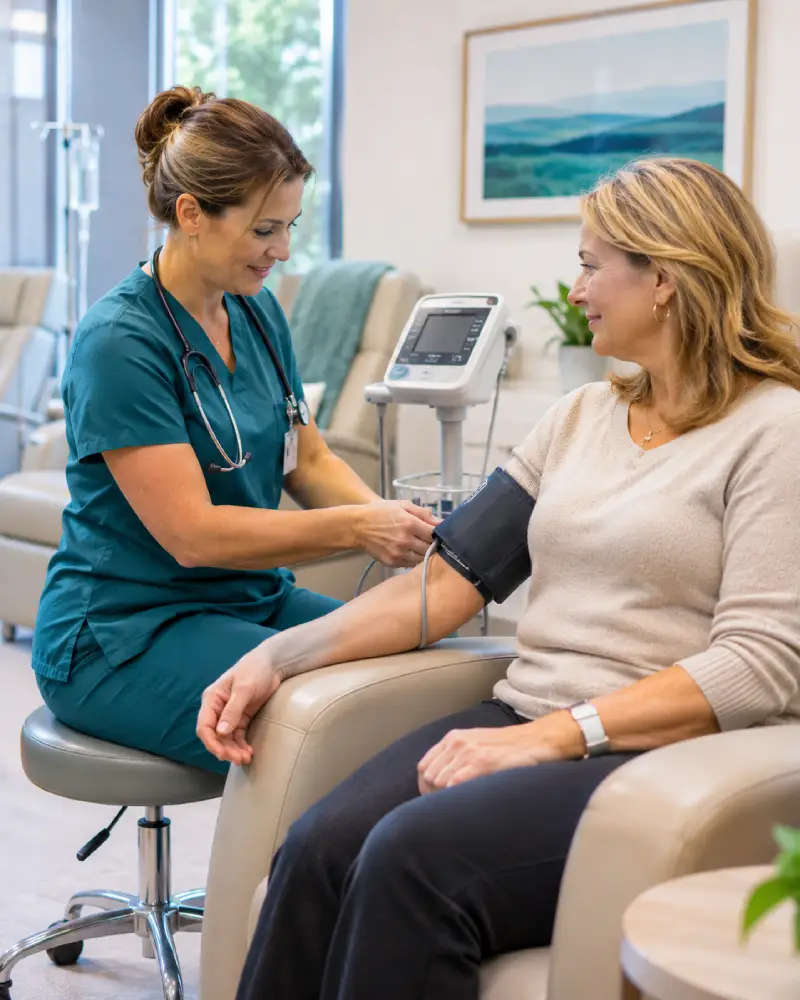
Patient discussing peptide therapy for tissue recovery

Tissue Repair Processes Peptides May Support

Peptide therapy does not apply to every injury in the same way. Depending on the compound, interest centers on biological processes such as collagen remodeling, cell migration, tissue organization, and wound-repair signaling.

These processes can be relevant to different types of tissue:

  • Tendons and ligaments: Connective-tissue remodeling and collagen-related repair.
  • Muscles and soft tissue: Recovery processes following strain, injury, or physical stress.
  • Joints and cartilage: Cartilage-related activity and structural tissue support.
  • Skin and wounds: Collagen production, fibroblast activity, and tissue remodeling during healing.

The relevance of each peptide depends on the tissue involved and the quality of the available evidence. For many peptides studied for tissue repair, human outcomes remain less well established than laboratory or animal findings.

Peptides by Tissue Focus

Different peptides relate to different parts of the repair process. The peptide list and uses resource includes compounds associated with connective tissue, skin, collagen, joints, and wound-related recovery.

Thymosin Beta-4: Tissue Remodeling

Thymosin Beta-4 is involved in cell movement and tissue remodeling, with potential relevance to muscles, connective tissue, skin, and wounds. Its potential role in wound healing and tissue repair has been examined in preclinical and early clinical research, but evidence supporting its use for musculoskeletal recovery in people remains limited.

GHK-Cu: Skin and Wound Repair

GHK-Cu is a naturally occurring copper-binding tripeptide studied for collagen production, fibroblast activity, skin remodeling, and wound-related repair. Research into its role in skin regeneration makes it relevant to discussions of skin and wound healing, although evidence of clinical recovery in people remains limited.

AOD-9604: Cartilage Research

AOD-9604 is a modified fragment of human growth hormone studied in cartilage and joint-related research. One preclinical study examined cartilage changes in a rabbit osteoarthritis model, but similar repair benefits have not been established in people.

Sermorelin: Recovery-Related Signaling

Sermorelin is a growth hormone-releasing hormone analog that stimulates the body’s release of growth hormone. Its connection to tissue recovery is indirect, and it has not been established as a treatment for tendon, ligament, joint, skin, or wound repair.

BPC-157: Tendon and Ligament Focus

BPC-157 is a 15-amino-acid peptide studied for repair-related processes involving:

  • Tendons and ligaments
  • Muscles and joints
  • Skin and wounds

Although BPC-157 often appears in discussions of peptides for tendon and ligament repair, the evidence is predominantly preclinical. A 2025 systematic review included 35 preclinical studies and only one human study, leaving its clinical benefits and safety uncertain.

Peptide Therapy as Part of a Recovery Plan

Peptides for injury recovery may be discussed as one part of a medically supervised healing or rehabilitation plan. Their potential role depends on the diagnosis, extent of tissue damage, health history, medications, and evidence for the specific peptide.

Treatment decisions should also account for established care such as physical therapy, wound care, activity modification, or specialist treatment. The goal is to determine whether a peptide has an appropriate supporting role rather than assuming it is suitable for every injury.

Injuries That Need Further Evaluation

Peptide therapy should not delay or replace necessary imaging, rehabilitation, wound care, or specialist treatment. Further evaluation may be needed for:

  • Persistent or worsening swelling
  • Significant weakness or loss of movement
  • Suspected tendon or ligament tears
  • Severe or increasing pain
  • Open, infected, or poorly healing wounds

The medical evaluation should also consider existing conditions, medications, circulation, and infection risk. Follow-up helps monitor recovery, treatment response, and potential side effects.

These peptides are not FDA-approved for tissue repair or injury recovery. The FDA has identified potential safety concerns with certain substances proposed for compounding, including BPC-157, AOD-9604, injectable GHK-Cu, and the Thymosin Beta-4 fragment known as TB-500.

Patient discussing peptide therapy for tissue recovery

Related Care for Injury and Tissue Recovery

Depending on the injury and tissue affected, other services may complement or provide an alternative to peptide therapy:

  • Persistent pain or limited mobility: Pain management can help evaluate tendon, ligament, joint, muscle, and overuse concerns and determine whether imaging or additional care may be appropriate.
  • Joint and soft-tissue concerns: PRP for musculoskeletal health may be considered for certain joint, tendon, ligament, and soft-tissue concerns when a targeted regenerative approach is appropriate.
  • Chronic tendon or soft-tissue concerns: Shockwave therapy provides a non-surgical option for certain tendon injuries, overuse concerns, and persistent soft-tissue pain.
.

A clinical evaluation can help determine which option, or combination of care, is appropriate for the injury and recovery goals.

Related reading: Peptides for muscle recovery and performance addresses exercise-related research and limitations.

Frequently Asked Questions

Can peptide therapy repair a torn tendon or ligament?

Peptide therapy should not be presented as a proven way to repair a complete tendon or ligament tear. Imaging and an orthopedic or surgical evaluation may be needed to determine the extent of the injury and the appropriate treatment.

Can peptide therapy be used with physical therapy?

It may be considered as part of a broader recovery plan that includes rehabilitation. The timing and combination of treatments should be based on the injury, medical history, and the treating providers' recommendations.

Is BPC-157 the same as TB-500?

No. BPC-157 and TB-500 are different compounds. TB-500 refers to a fragment of Thymosin Beta-4 rather than the full-length peptide.

What should I ask before starting peptide therapy?

Ask about the evidence for the specific peptide, its regulatory status, potential risks, expected monitoring, and treatment alternatives. Patients should also understand where the formulation comes from and what results can realistically be expected.

How much does peptide therapy cost, and is it covered by insurance?

Cost depends on the peptide, formulation, treatment duration, and required monitoring. Many peptide therapies are not covered by insurance, so patients should confirm expected costs and coverage before beginning a program.

Start With the Right Recovery Strategy

Not every injury requires the same approach. Sikora Integrative Medicine can review your diagnosis, symptoms, current treatments, and recovery progress to determine whether peptide therapy or another form of care may be appropriate.

Disclaimer: This content is for educational purposes only and does not constitute medical advice. It is not intended to diagnose, treat, or cure any condition. Strategies are based on emerging research; outcomes vary. Consult your qualified healthcare provider for personalized recommendations. Services are available to Florida residents only.