
Non-Surgical Support for Chronic Pain & Soft-Tissue Healing

Regenerative Support for Soft-Tissue Pain

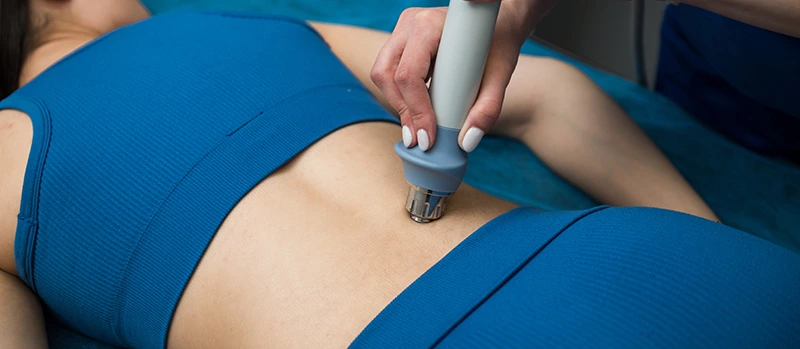
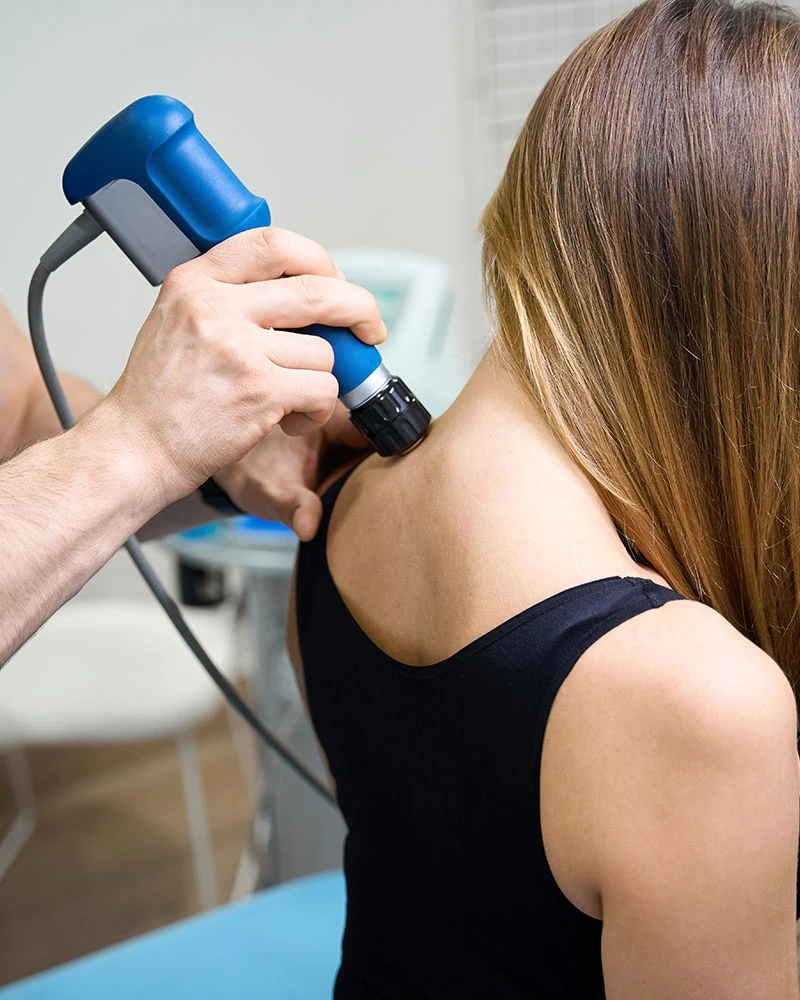
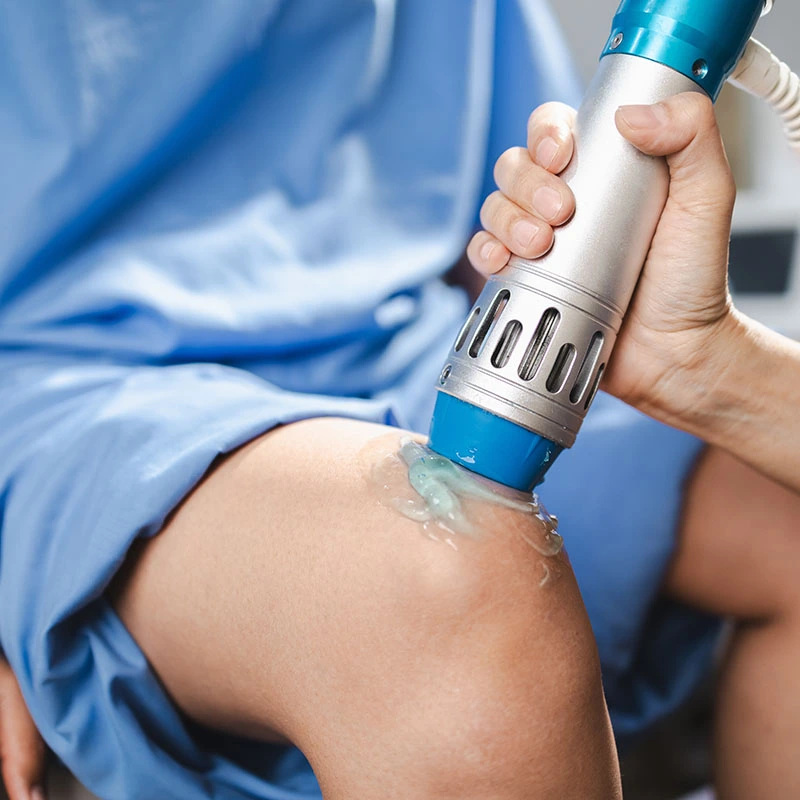
Shockwave Therapy utilizes the same proven technology as extracorporeal shock wave lithotripsy (ESWL). The device generates high-energy acoustic waves externally and transmits them through the skin to the treatment area.

Approved by the FDA for chronic plantar fasciitis and tennis elbow, this modality may support the regeneration of tendons and soft tissues by increasing cellular repair, improving circulation, stimulating collagen, and reducing inflammation.

If you've been dealing with chronic pain, tendon injuries, or soft-tissue dysfunction that hasn't responded to rest or traditional treatments, this may be an effective non-surgical option.

What Is IV NAD+ Therapy?
What’s Inside Exosome Products?

Key Benefits of Shockwave Therapy

Shockwave therapy may offer support for:

  • Reduced tissue inflammation and oxidative stress
  • Formation of new blood vessels and improved circulation to the treated area
  • Release of trigger points and improved muscle recovery
  • Stimulated collagen production in the tendon and soft tissue
  • Short sessions of about 10 to 15 minutes with minimal downtime
  • A treatment option that involves no injections and no incisions

Many patients consider shockwave therapy when physical therapy alone has not delivered enough relief.

Conditions Treated with Shockwave Therapy

Shockwave therapy uses acoustic waves to target painful or irritated soft tissues. It may be considered for several chronic tendon and musculoskeletal conditions:

Plantar Fasciitis

May help reduce heel pain and address thickened tissue by improving circulation in the plantar fascia.

Shoulder Tendonitis or Calcific Tendonitis

May help soften calcifications and improve mobility in irritated shoulder tendons.

Tennis Elbow (Lateral Epicondylitis)

May reduce tendon strain and support recovery in the outer elbow.

Hip Bursitis or Gluteal Tendinopathy

May ease irritation in the hip tendons and surrounding soft tissues.

Golfer's Elbow (Medial Epicondylitis)

May reduce inflammation and inner-elbow tendon discomfort.

Knee Patellar Tendonitis

May calm inflammation and support resilience in the patellar tendon.

Chronic Muscle Tightness or Trigger Points

May release deep muscle tension and improve mobility.

IT Band Pain

May reduce tightness and irritation related to overuse.

Shin Splints or Stress-Related Discomforts

May support circulation and ease tension in tissues along the shin.

Achilles Tendonitis

May support tendon recovery and ease Achilles irritation.

FDA-approved shockwave devices have indications for chronic plantar fasciitis and chronic tennis elbow that have not responded to conservative treatment. Other uses may be supported by clinical evidence and practice but depend on the specific device and indication.

We will determine whether shockwave therapy is appropriate based on your symptoms and exam findings.

How Shockwave Therapy Works

The device emits high-energy acoustic waves that pass through the skin and into tissue, prompting the body's own repair response in the treated area.

These waves may help soften scar tissue, break up adhesions, stimulate tendon and ligament repair, improve micro-circulation, and reduce persistent pain signaling in chronic conditions. Treatment is applied externally, with no injections, making it a minimally invasive option for tendon, ligament, and muscle problems.

Safety and Considerations

Shockwave therapy is non-invasive, but it is not right for every patient or every situation. These are worth reviewing before you schedule:

  • What you may feel afterward: Redness, mild swelling or bruising, tingling, or soreness in the treated area for a day or two.
  • Recent steroid injections: If you have had a corticosteroid injection in the same area within the past six weeks, shockwave usually needs to wait.
  • Pregnancy: Shockwave therapy is not used during pregnancy.
  • Active cancer treatment: Treatment is avoided during cancer therapy and over any known tumor site.
  • Infection or broken skin: Sessions are postponed if there is a wound or infection over the area.
  • Implanted electronic devices: Shockwave is not applied near a pacemaker or similar device.
  • Uncommon risks: Tendon rupture has been reported, though it is rare.
When to Expect Results

Your Shockwave Therapy Session

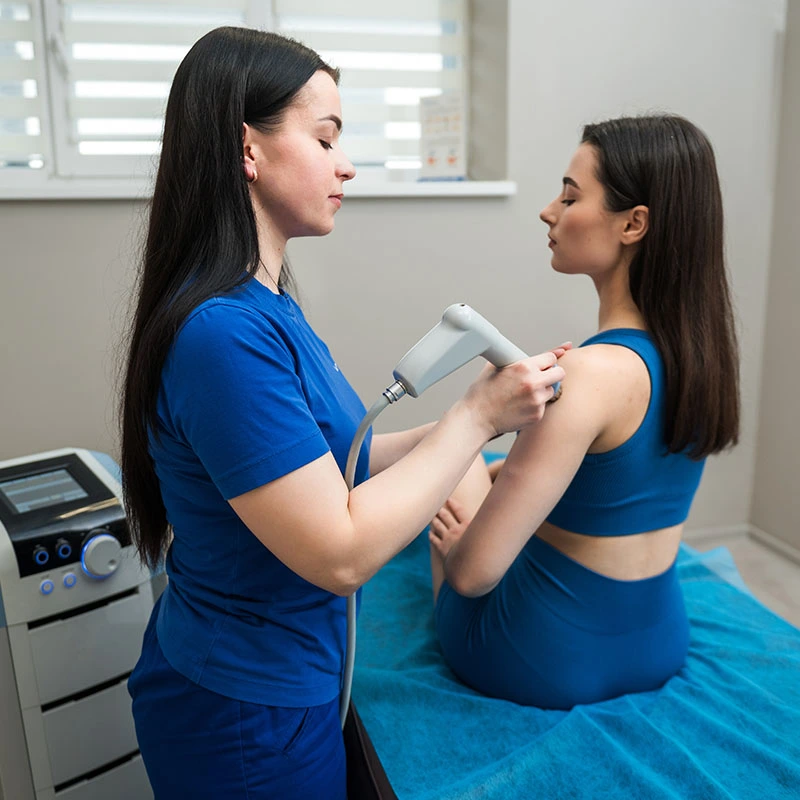
Most shockwave therapy sessions take 10–15 minutes and are performed in our Vero Beach office. Your visit typically includes:

1

Preparation

We evaluate the affected area, review your medical history, and confirm whether shockwave therapy is appropriate for your condition.

2

Treatment

A hand-held applicator delivers acoustic waves directly to the targeted tissue. Treatment usually lasts about 10–15 minutes.

3

Recovery

Downtime is minimal, but strenuous activity involving the treated area should generally be avoided for at least 48 hours.

4

Treatment Plan

Multiple sessions are often recommended, typically three to five, depending on the condition and your response to treatment.

Other Pain Management Services We Offer

We also offer a range of non-surgical, evidence-informed treatments.

When to Expect Results
Safety and Considerations

Who May Benefit From Shockwave Therapy

Shockwave therapy tends to suit adults with a specific profile:

  • A tendon or soft-tissue problem that has lasted months rather than weeks
  • Symptoms that have not resolved with rest, stretching, or physical therapy
  • Pain linked to overuse, repetitive activity, or sport
  • A preference for treatment that avoids needles, medication, or surgery
  • Willingness to complete a short series rather than expect a single fix

We will review your symptoms, exam findings, and goals to decide whether shockwave therapy fits and whether a different approach would serve you better.

Why Choose Sikora Integrative Medicine

We provide individualized, evidence-informed musculoskeletal care focused on identifying the source of pain, supporting mobility, and choosing the right treatment path.

What sets us apart:

  • Musculoskeletal expertise: Dr. Alita Sikora, MD, is board-certified in Physical Medicine and Rehabilitation and has practiced in Vero Beach since 2007. Her credentials include certification in Wound Healing and Hyperbaric Medicine from Ohio State University.
  • Diagnosis-guided planning: In-office musculoskeletal ultrasound can help identify the affected structure and guide treatment based on your pain pattern, activity level, and exam findings.
  • Multiple treatment options: Shockwave therapy is one of several non-surgical approaches available, alongside PRP, perineural injections, trigger point injections, joint injections, and other supportive therapies.
  • Clear, safety-focused care: We review your medical history and confirm whether shockwave therapy is appropriate before treatment begins, and explain your options, expected outcomes, and next steps.
  • Recognized by patients: Dr. Sikora is a Patients' Choice 5-Year Honoree and Castle Connolly Regional Top Doctor 2020.
Why Choose Sikora Integrative Medicine

Frequently Asked Questions

Does shockwave therapy hurt?

Most people tolerate it well. The sensation is usually described as rapid pulses against the skin, and the intensity can be adjusted during the session if the area is tender. Some soreness afterward is common.

How many sessions will I need?

Most protocols run three to five sessions, generally spaced about a week apart. The exact number depends on the condition and how the tissue responds.

What are the side effects of shockwave therapy?

Usually minor and short-lived: redness, mild swelling or bruising, tingling, or soreness for a day or two. Tendon rupture has been reported but is uncommon.

How long before shockwave therapy works?

Some patients feel a difference after one or two sessions, though the fuller effect is typically assessed once the course is finished. Longstanding problems generally take longer to respond.

Is there downtime after treatment?

Very little. Avoid heavy use of the treated area for at least 48 hours, then return to normal activity as comfort allows.

Can shockwave therapy replace surgery?

Sometimes. It is often tried before surgery for chronic tendon problems, and for some patients, it resolves the issue. It is not a substitute for surgery in every case, and the decision depends on what is causing your pain.

Does insurance cover shockwave therapy?

Often not. Many insurers classify shockwave therapy as investigational and do not cover it, so plan for it to be self-pay. Financing through M Lend Financial is available.

Book Your Consultation with Confidence

Connect with Sikora Integrative Medicine in Vero Beach to discuss your concerns, explore available therapies, and receive personalized recommendations based on your needs. Financing through M Lend Financial is also available to help make treatment costs more manageable over time.

Disclaimer: This information is provided for educational purposes only and is not intended to be medical advice. It should not be used to diagnose, treat, or cure any condition. Always consult your healthcare provider for personalized guidance. Services are available exclusively to Florida residents.